
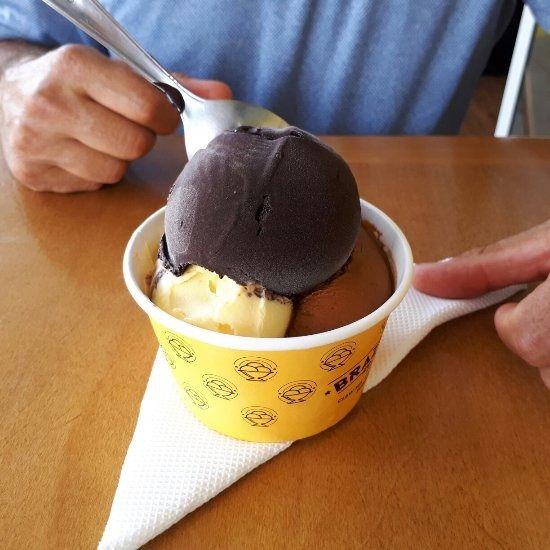
According to IMARC Group's report titled "Ice Cream Market in India Size, Share, Trends and Forecast by Type, Flavor, Format, End-User, Distribution Channel, and Region, 2026-2034", The report offers a comprehensive analysis of the industry, including India healthy snacks market growth, share, trends, and regional insights.
The ice cream market in India was valued at INR 312.76 Billion in 2025 and is forecast to reach INR 1,192.40 Billion by 2034, growing at a CAGR of 16.03% during 2026-2034.
The Ice Cream Market In India: INR 1,192B Mega Boom Ignited by 10-Minute Delivery & IoT Cold Chains marks the transition of frozen desserts from a seasonal luxury to a year-round, tech-enabled essential. For B2B investors and C-suite leaders, this structural shift represents a high-intent opportunity to capitalize on the convergence of high-velocity quick-commerce and precision cold-chain logistics.
- Market Valuation Leap: The industry is projected to skyrocket from INR 312.76 Billion in 2025 to a staggering INR 1,192.40 Billion by 2034.
- Double-Digit Velocity: Sustaining an aggressive CAGR of 16.03% (2026–2034), the market is significantly outperforming traditional FMCG growth benchmarks and historical consumption patterns.
- Impulse Segment Dominance: Impulse purchases—specifically sticks, cones, and cups—now command a 59.62% market share, driven by spontaneous urban consumption patterns.
- Quick-Commerce Multiplier: The integration of 10-minute delivery apps has converted ice cream into an on-demand utility, triggering a 25% incremental increase in total household consumption.
- Regional Growth Engine: Maharashtra and Karnataka represent nearly 23% of the total market value, with per capita consumption in Delhi emerging as a primary driver for premium family packs.
➤ Request Sample Report - Evaluate Core Statistics Driving Your Industry Trends
India's Strategic Vision for the Ice Cream Market
- PMKSY (Pradhan Mantri Kisan Sampada Yojana) Expansion: The government is funneling over INR 6,520 crore into the 15th Finance Commission Cycle to build a robust, integrated cold chain infrastructure, specifically aiming to reduce dairy post-harvest losses and expand market reach into underserved Tier-3 regions.
- PLI Scheme for Food Processing Self-Reliance: Under a dedicated INR 10,900 crore Production Linked Incentive (PLI) scheme, India is incentivizing the domestic manufacturing of value-added dairy products, encouraging brands to produce globally competitive, functional frozen desserts while reducing reliance on imported technical additives.
- National Dairy Infrastructure Development: Through the National Dairy Development Board (NDDB), the strategic vision prioritizes the modernization of milk processing and hygienic storage, ensuring a reliable, high-quality domestic supply chain that underpins a self-reliant "Atmanirbhar" dairy ecosystem.
Why Invest in the Ice Cream Market in India: Key Growth Drivers & ROI
- Massive Consumption Base in Urbanizing Hubs: India’s burgeoning middle class and youthful demographic are driving an insatiable demand for high-end frozen treats. With disposable incomes rising and rapid urbanization in Tier-2 and Tier-3 cities, the ice cream sector offers a resilient, high-volume market that ensures long-term revenue stability for corporate investors and stakeholders.
- Policy Support and Cold Chain Subsidies: Strategic government initiatives like the PMKSY and PLI schemes for food processing provide robust financial incentives and capital subsidies. These policies de-risk the investment landscape, encouraging the establishment of modernized processing units and localized manufacturing hubs that significantly reduce operational costs while enhancing overall production scalability.
- Premiumization through IoT and Precision Tech Upgrades: The integration of IoT-enabled cold chains and AI-driven demand forecasting is driving a massive ROI. By ensuring temperature integrity at -18°C and optimizing delivery routes via quick-commerce platforms, brands can command premium pricing for artisanal and health-conscious offerings, drastically reducing spoilage and maximizing bottom-line profitability.
- Supply Chain Efficiencies and Distribution Scalability: The rapid expansion of specialized cold-chain logistics and the proliferation of dark stores have created unprecedented supply chain efficiencies. By localizing fulfillment centers and utilizing advanced IoT data loggers, the industry is achieving faster time-to-market cycles, minimizing logistics overheads, and ensuring consistent product quality across diverse geographies.
Ice Cream Market in India Market Trends & Future Outlook:
- The "10-Minute" Delivery Standard: Quick-commerce has become the primary distribution lever for impulse sales, making temperature-controlled, hyper-local dark stores the most critical asset in the urban retail strategy through 2034.
- IoT-Enabled Cold Chain Integrity: Predictive maintenance and real-time IoT sensors that maintain -18°C to -20°C are now mandatory B2B standards to eliminate "melting-refreezing" safety risks and preserve brand trust in the premium segment.
- Surge in Artisanal and Functional Formulations: The fastest-growing segment—artisanal ice cream—is projected to grow at an 18.5% CAGR, fueled by a decisive shift toward vegan, low-sugar, and high-protein variants for health-conscious urban millennials.
- Sustainable Packaging Shift: Shifting B2B patterns and single-use plastic regulations are mandating a transition to biodegradable wooden cutlery and compostable paper-based tubs, creating a multi-million dollar market for eco-compliant packaging suppliers.
- Year-Round Consumption Patterns: The market is decoupling from summer seasonality, with the festive winter period (October–January) witnessing a 3x to 5x consumption surge driven by seasonal premium offerings like Gajar ka Halwa and Kesar Pista flavors.
➤ Request Full Brochure - Discover the Complete TOC and Data Coverage
By the IMARC Group, the Top Competitive Landscape & their Positioning:
- GCMMF (Amul)
- Kwality Walls
- Vadilal Group
- Mother Dairy
- Hatsun
- CreamBell
Covering an in-depth analysis of the competitive landscape, market structure, key player positioning, competitive dashboards, top winning strategies, and detailed profiles of all major industry participants you will gain access to all these exclusive insights within the full research report.
Market Segmentation Breakdown:
Analysis by Type:
- Impulse Ice Cream (Dominant segment; includes bars, cones, and sticks)
- Take-Home Ice Cream (Family packs and tubs)
- Artisanal Ice Cream (Premium, handcrafted niche)
Impulse ice cream leads the market with a 59.62% share in 2025, driven by convenience-led consumption, value-oriented larger packs, and easy storage in home refrigerators, allowing consumers to enjoy ice cream anytime.
Analysis by Flavor:
- Chocolate
- Fruit
- Vanilla
- Others
Chocolate dominates with a 31.05% market share in 2025, supported by its universal appeal across age groups, compatibility with toppings and mix-ins, and strong preference among Indian consumers for familiar taste profiles.
Analysis by Format:
- Cup (Largest segment due to convenience and affordability)
- Stick
- Cone
- Brick
- Others
Cup format holds the largest share at 25.86% in 2025, owing to its affordability, single-serve convenience, wide availability across local retail stores, and strong suitability for impulse purchases.
Analysis by End-User:
- Retail (Dominant segment; convenience stores and supermarkets)
- Institutional (Hotels, Restaurants, Cafes)
The retail segment accounts for 83% of the market in 2025, backed by an extensive network of supermarkets, convenience stores, and general trade outlets ensuring broad product accessibility.
Distribution Channel Insights:
- General Trade
- Supermarkets/Hypermarkets
- Ice Cream Parlors
- Convenience Stores
- Online
- Others
General trade leads with a 39% market share in 2025, benefiting from longer operating hours, quick purchase cycles, and strategic presence in residential and commercial locations.
Regional Insights:
- Maharashtra: The largest regional market, driven by a strong culture of eating out and high disposable incomes in metros.
- North India
- South India
- East India
Maharashtra dominates with a 12% share in 2025, driven by metropolitan centers such as Mumbai and Pune, where higher disposable incomes and premium consumption trends boost ice cream demand.
Recent News & Developments
- Retail Expansion: Reliance Retail is strengthening its kidswear portfolio through private labels and omni-channel expansion.
- D2C Growth: FirstCry continues aggressive expansion across both online and offline channels.
- Sustainability Push: Aditya Birla Fashion and Retail is investing in eco-friendly textile innovations.
- Global Entry: H&M is expanding its sustainable kidswear collections in India.
- Manufacturing Boost: Ministry of Textiles is accelerating textile park development to support domestic production.
Note: If you need specific information that is not currently within the scope of the report, we can provide it to you as a part of the customization.
➤ Request Customization - Align the Report Insights with Your Strategic Goals
Frequently Asked Questions (FAQs):
Q1. What is driving growth in the India kidswear market?
The market is driven by rising disposable incomes, increasing birth rates in urban clusters, growing preference for branded apparel, and a strong shift toward sustainable and skin-safe fabrics.
Q2. Why is sustainability becoming important in kidswear?
Modern parents are prioritizing health and environmental impact, leading to increased demand for organic cotton, non-toxic dyes, and globally certified materials like Global Organic Textile Standard (GOTS).
Q3. Which segment dominates the kidswear market in India?
Infant wear (0–12 months) dominates due to essential demand for safe, comfortable, and frequently replaced clothing products.
Q4. How is e-commerce impacting the kidswear industry?
Online platforms are accelerating market penetration by offering wider product variety, competitive pricing, and convenience, especially in Tier-2 and Tier-3 cities.
Q5. What are the emerging trends in the kidswear market?
Key trends include gender-neutral clothing, smart fabrics, AR-based virtual try-ons, and character-based licensed apparel collections.
Strategic Insight & Verdict
The India kidswear market is evolving into a structured, premium-driven ecosystem fueled by demographic strength and conscious consumption patterns. Government-backed initiatives such as the PM MITRA Parks and the Production Linked Incentive scheme are significantly enhancing manufacturing efficiency, enabling brands to scale high-quality output while maintaining cost competitiveness.
Tarang, Digital Insights Specialist at IMARC Group: https://www.linkedin.com/in/tarang-chauhan-31a82b265/
Verified Data Source: IMARC Group
Contact Us:
IMARC Group
134 N 4th St. Brooklyn, NY 11249, USA
Email: [email protected]
Tel No:(D) +91 120 433 0800
United States: +1-202071-6302